Monday, September 4, 2023

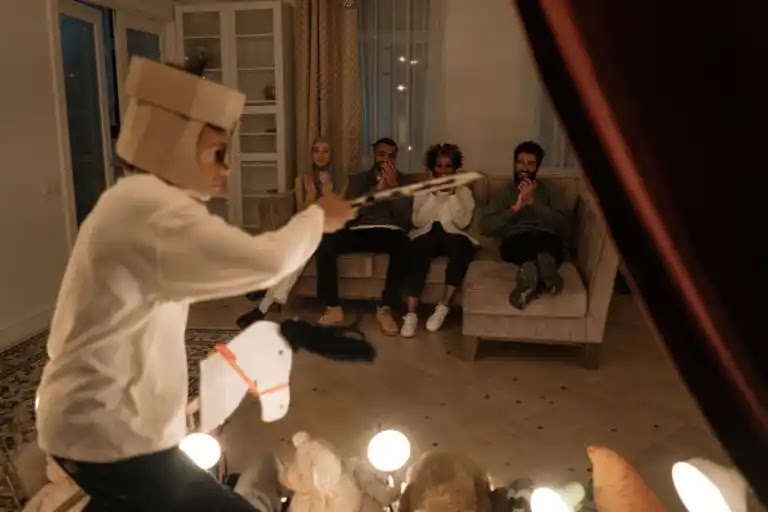
"Animating the Inanimates,The Amazing Art of Bringing Life to Art"


"Animating the Inanimates,The Amazing Art of Bringing Life to Art"

Hobbies & Pursuits Part-XXIV, Animation


HOW  THE AMAZING ART FORM "ANIMATION"  CAME  IN  TO BEING ?

The amazing art form known to us as the word "animation" originated from the Latin word "anima," which means "soul" or "life." The term was first used in the 16th century to describe the process of giving life or movement to inanimate objects or illustrations..With that said we know "Animation" in all its glory is an amazing art form .

The concept of animation can be traced back to ancient times when people used various techniques to create the illusion of movement. For example, the ancient Egyptians used sequential drawings on papyrus scrolls to depict the movement of animals and humans. In China, the art of shadow puppetry involved manipulating flat figures behind a translucent screen to create the illusion of motion.

However, the word "animation" in its modern sense gained popularity in the late 19th and early 20th centuries with the advent of motion pictures and the development of animation techniques. Pioneers in the field, such as Émile Cohl, Winsor McCay, and Walt Disney, contributed significantly to the advancement and popularization of animation as a form of entertainment.

Today, the term "animation" encompasses a wide range of techniques and styles, including traditional hand-drawn animation, computer-generated imagery (CGI), stop-motion animation, and more. It has become an integral part of various industries, including film, television, advertising, video games, and digital media.


What are the tools needed to do animation?

The tools needed to do animation can vary depending on the technique and style you choose. Here are some common tools used in different types of animation:

Animation Paper: Specialized paper with peg holes for registering and flipping drawings.

Pencils: Various types of pencils for sketching and creating initial drawings.

Light Table: A backlit table used for tracing and transferring drawings.

Erasers: Different types of erasers for correcting mistakes and cleaning up drawings.

Colored Pencils or Paints: Used for adding color to the animation frames.

Scanners or Cameras: To digitize the hand-drawn frames for further processing.

Computer Animation:

Computer Software: Animation software like Adobe Animate, Toon Boom Harmony, or Autodesk Maya.

Drawing Tablets: Digital tablets with stylus pens for drawing directly into the software.

Keyframe Controllers: Physical or virtual controllers for manipulating and posing 3D characters.

Rigging Tools: Software tools for creating skeletal structures and controls for character animation.

Rendering Software: Programs that process and generate the final animated frames or sequences

Stop-Motion Animation:

Armature: A metal or wire framework that provides support and movement to puppets or models.

Clay or Modeling Clay: Used to create characters or objects that can be manipulated frame by frame.

Stop-Motion Software: Programs like Dragonframe or Stop Motion Studio for capturing and organizing frames.

Lighting Equipment: Proper lighting setup to ensure consistent lighting throughout the animation.

Tripod or Mounts: Sturdy supports to keep the camera stable during the shooting process.

These are just a few examples, and the specific tools required can vary based on the animator's preferences, budget, and the complexity of the animation project.

Which are the best animation studios in the world?

There are many highly regarded animation studios around the world, each with its own unique style, expertise, and contributions to the industry. Here are some of the well-known and widely recognized animation studios:

Walt Disney Animation Studios: Known for its iconic hand-drawn and computer-animated films, Disney Animation has been a pioneer in the industry for decades, creating timeless classics like "Snow White and the Seven Dwarfs," "The Lion King," and "Frozen."

Pixar Animation Studios: Renowned for its groundbreaking computer-animated films, Pixar has consistently delivered critically acclaimed and commercially successful movies, including "Toy Story," "Finding Nemo," and "Inside Out."

Studio Ghibli: A Japanese animation studio founded by Hayao Miyazaki and Isao Takahata, Studio Ghibli is known for its beautifully hand-drawn animated films, often exploring themes of nature, fantasy, and coming-of-age. Some of their notable works include "Spirited Away," "My Neighbor Totoro," and "Princess Mononoke."

DreamWorks Animation: A major competitor to Disney and Pixar, DreamWorks Animation has produced popular animated franchises like "Shrek," "Kung Fu Panda," and "How to Train Your Dragon."

Aardman Animations: Known for its distinctive stop-motion clay animation, Aardman Animations is a British studio famous for creating beloved characters such as Wallace and Gromit, Shaun the Sheep, and Chicken Run.

        Studio Laika: Recognized for its visually stunning stop-motion   animation, Studio Laika has produced films like "Coraline," "Kubo and the Two Strings," and "Missing Link," which showcase their meticulous attention to detail and storytelling.

These are just a few examples, and there are many other exceptional animation studios worldwide that have made significant contributions to the art form. The "best" animation studio can be subjective, as it depends on personal preferences, cultural impact, critical acclaim, and box office success.

How can one learn the art of animation?

There are several ways to learn the art of animation, and it largely depends on your preferred style and technique. Here are some common ways to get started:

Take Online Courses or Tutorials: There are many online resources available that offer animation courses and tutorials, covering various topics such as character animation, storyboarding, and motion graphics. Websites like Udemy, Skillshare, and Lynda.com offer courses taught by industry professionals that can help you learn the fundamentals of animation.

Attend Animation Schools or Workshops: Many art schools and universities offer animation programs that provide hands-on training in various animation techniques. Attending animation workshops or seminars can also be a great way to learn from experienced animators and gain exposure to new techniques.

Practice and Experiment: One of the best ways to learn animation is to practice and experiment with different techniques and styles. Start by creating short animations using simple tools and techniques, and gradually work your way up to more complex projects. You can also learn from your mistakes and refine your skills through trial and error.

Study and Analyze Existing Animations: Studying and analyzing existing animations can help you understand the techniques and principles used by professional animators. Watch a variety of animated films and TV shows, and pay attention to the movement, timing, and storytelling techniques used in each.

Join Online Communities and Forums: Joining online communities and forums can connect you with other animators and provide opportunities for feedback and critique. Participating in online competitions or challenges can also help you develop your skills and gain exposure to new techniques.

Remember that learning animation is a continuous process, and it takes time and dedication to master the art form. By practicing regularly, seeking feedback from others, and staying up-to-date with industry trends and techniques, you can develop your skills and create your own unique style.

How Animation as a Hobby and Pursuit Can Help a Hobbyist ?

Animation as a hobby and pursuit can offer several benefits to a hobbyist. Here are some ways animation can be beneficial:

Creative Outlet: Animation allows hobbyists to express their creativity and imagination. It provides a platform to bring characters and stories to life, allowing hobbyists to explore their artistic ideas and experiment with different styles and techniques.

Personal Development: Animation requires patience, attention to detail, and problem-solving skills. As a hobby, it can help hobbyists develop these skills and improve their ability to plan, organize, and execute projects. It also encourages perseverance and the ability to learn from mistakes, fostering personal growth and resilience.

Stress Relief: Engaging in animation as a hobby can serve as a stress-relieving activity. It provides an outlet for relaxation and escapism, allowing hobbyists to immerse themselves in a creative process that can be both enjoyable and therapeutic.

Learning Opportunity: Animation as a hobby offers a wide range of learning opportunities. Hobbyists can explore various animation techniques, software, and tools, continuously expanding their knowledge and skills. They can also learn about storytelling, character development, and visual communication, which can be applied to other creative endeavors.

Community and Collaboration: Animation as a hobby can connect hobbyists with like-minded individuals through online communities, forums, or local animation groups. Engaging with others who share the same passion can provide a sense of belonging and foster collaboration, allowing hobbyists to learn from and inspire each other.

Portfolio Building: As hobbyists create more animations, they can build a portfolio showcasing their work. This portfolio can be valuable if they decide to pursue animation professionally or if they want to share their creations with others, such as through social media or personal websites.

Overall, animation as a hobby can be a fulfilling and rewarding pursuit. It offers a creative and technical outlet, personal growth opportunities, and the chance to connect with a community of fellow animation enthusiasts. Whether it remains a hobby or becomes a professional pursuit, animation can bring joy and fulfillment to those who engage in it.

BEST  ANIMATOR  OF  OUR TIMES

There are several highly acclaimed animators who are considered among the best of our times. Here are a few notable names:

Hayao Miyazaki: The co-founder of Studio Ghibli, Miyazaki is known for his imaginative and visually stunning animated films, including "Spirited Away," "My Neighbor Totoro," and "Princess Mononoke."

Brad Bird: Bird has directed critically acclaimed animated films such as "The Iron Giant," "The Incredibles," and "Ratatouille." He is known for his storytelling prowess and ability to create compelling characters.

Pete Docter: Docter is a director and animator known for his work at Pixar Animation Studios. He has directed films like "Monsters, Inc.," "Up," and "Inside Out," which have received critical acclaim and won numerous awards.

Isao Takahata: Another co-founder of Studio Ghibli, Takahata directed films like "Grave of the Fireflies" and "The Tale of the Princess Kaguya." His films often explore complex themes and emotions with a unique artistic style.

Glen Keane: Keane is a renowned Disney animator known for his work on films like "The Little Mermaid," "Beauty and the Beast," and "Tangled." He is known for his ability to bring characters to life with expressive and fluid animation.

These are just a few examples, and there are many other talented animators who have made significant contributions to the field. The "best" animator is subjective and can vary depending on personal preferences

In conclusion, animation is an incredibly versatile and engaging medium that has captured the hearts of audiences across the world. From its humble beginnings as hand-drawn sketches to the cutting-edge technology of today, animation has continued to evolve and push the boundaries of what is possible. Whether it's bringing fantastical worlds to life or conveying complex ideas in a simple and accessible way, animation has the power to captivate and inspire. So whether you're a fan of classic cartoons or cutting-edge CGI, there's never been a better time to explore the world of animation and discover the endless possibilities it has to offer.

Ciao  from your

Blogbuddy @https://yourpaperbackwriter.blogspot.com/   aka

Blogbuddy @https://blogspills.wpcomstaging.com/ 

Sunday, September 3, 2023

“Get ready to step into the spotlight"

      “Get ready to step into the spotlight"

Hobbies & Pursuits Part-XXIII,Acting


Acting , an integral part  of  the  performing arts, involve the use of body language facial expressions ,and vocal skills to effectively convery emotions portray characters ,and narrate stories . This art form can be practiced on  stage or in front of  a camera .Historicallt ,acting has been traced back to ancient  civiliizations such as Eqypt ,China and Greece where it was utilized  in ceremonies  and rituals.In today's contemporary society, acting has emerged as a captivating career choice for many individuals. However, it is important to acknowledge that this field is highly competitive and demanding. To increase the likelihood of success in the vibrant world of performing arts, enrolling in a reputable acting school can prove immensely beneficial. By doing so, aspiring actors can enhance their skills and gain valuable knowledge. Now, let us explore some of the top acting schools worldwide.

IS ACTING A GREAT HOBBY AND PURSUIT?

Acting can indeed be a great hobby and pursuit for many individuals. It offers a unique opportunity to explore and express one's creativity, imagination, and emotions. Engaging in acting as a hobby can be a fulfilling way to escape from the routine of everyday life and immerse oneself in a different world through the portrayal of diverse characters.


Furthermore, acting can also be a serious pursuit for those who aspire to make a career out of it. While it can be a challenging and competitive field, it can also be incredibly rewarding for those who are dedicated, passionate

 Acting can indeed be a great hobby and pursuit for many individuals. It offers a unique opportunity to explore and express one's creativity, imagination, and emotions. Engaging in acting as a hobby can be a fulfilling way to escape from the routine of everyday life and immerse oneself in a different world through the portrayal of diverse characters.

Furthermore, acting can also be a serious pursuit for those who aspire to make a career out of it. While it can be a challenging and competitive field, it can also be incredibly rewarding for those who are dedicated, passionate, and willing to put in the necessary effort to develop their skills and pursue opportunities in the industry.

Whether someone chooses to pursue acting as a hobby or a profession, it can provide personal growth, self-expression, and the chance to connect with others through storytelling. It allows individuals to explore different perspectives, challenge themselves, and continuously learn and evolve as performers.

How one can learn to act ?

Learning to act involves a combination of natural talent, training, and practical experience. Here are some steps one can take to learn and develop acting skills:

Take Acting Classes: Enroll in acting classes or workshops to learn the fundamentals of acting. These classes often cover topics such as character development, voice projection, improvisation, and script analysis. Look for reputable acting schools or community theater groups in your area that offer classes suitable for beginners.

Read Acting Books: Supplement your practical training with books on acting techniques and methods. There are numerous resources available that provide valuable insights into the craft of acting and offer exercises to improve your skills.;''


Study Performances: Watch plays, movies, and television shows with a critical eye. Observe the performances of experienced actors and analyze their techniques. Pay attention to their body language, facial expressions, and delivery of lines. This can help you understand different acting styles and approaches.

Practice Monologues and Scenes: Choose monologues or scenes from plays or movies and practice performing them. This will help you develop your ability to portray different characters and emotions. Record yourself or seek feedback from others to improve your performance.

Join a Theater Group: Participate in local theater productions or join a theater group. This provides valuable hands-on experience and the opportunity to work with other actors, directors, and stage crew members. Community theater groups often welcome beginners and offer a supportive environment for learning and growth.

Seek Feedback and Guidance: Act in front of peers, friends, or mentors and ask for constructive feedback. Consider working with a acting coach or mentor who can provide guidance and help you refine your skills.

Audition for Roles: Look for audition opportunities in local productions, student films, or community events. Auditioning allows you to put your skills to the test and gain real-world experience in the industry.

Remember, acting is a continuous learning process, so be patient and persistent in honing your craft. Embrace opportunities to perform and seek feedback to improve your skills and grow as an actor.

Which are the top acting academies one must try to enroll in ?

There are several top acting academies around the world that aspiring actors may consider enrolling in. Here are some renowned institutions known for their acting programs:


The Juilliard School (United States): Located in New York City, Juilliard is one of the most prestigious performing arts schools globally. Its Drama Division offers a comprehensive program focused on classical and contemporary acting techniques.

Royal Academy of Dramatic Art (RADA) (United Kingdom): RADA, based in London, is renowned for its rigorous and intensive acting training. It offers a wide range of programs, including a Bachelor's degree and short courses for all levels of experience.

Tisch School of the Arts, New York University (United States): Tisch is a renowned institution offering various programs, including a Bachelor of Fine Arts in Drama and a Master of Fine Arts in Acting. It is located in New York City and provides students with access to a vibrant theater scene.

National Institute of Dramatic Art (NIDA) (Australia): NIDA, located in Sydney, is a prestigious institution known for its comprehensive acting programs. It offers Bachelor's and Master's degrees, as well as short courses, focusing on various aspects of acting.

London Academy of Music and Dramatic Art (LAMDA) (United Kingdom): LAMDA is a leading drama school in London, offering a range of acting programs, including a Bachelor of Arts in Acting and Master's degrees. It has a strong reputation for its classical training.

Stella Adler Studio of Acting (United States): Based in New York City and Los Angeles, the Stella Adler Studio of Acting offers a conservatory-style training program inspired by the teachings of Stella Adler. It focuses on the development of the actor's imagination and understanding of the human condition.

The Moscow Art Theatre School (Russia): The Moscow Art Theatre School, associated with the renowned Moscow Art Theatre, offers a highly esteemed acting program. It emphasizes the Stanislavski system and provides a comprehensive training in acting techniques.

These are just a few examples of top acting academies, but there are many other reputable institutions around the world. It's important to research and consider factors such as program offerings, faculty, alumni success, and the specific approach to acting training when deciding

How beneficial is acting as a hobby and pursuit to an individual ?

Acting can be a highly beneficial hobby and pursuit for individuals in a variety of ways. Here are some potential benefits:

Personal Growth: Acting can help individuals develop self-awareness, self-confidence, and emotional intelligence. It requires individuals to explore different perspectives, emotions, and experiences, which can help them grow and evolve as individuals.

Self-Expression: Acting provides a creative outlet for individuals to express themselves and communicate their thoughts and feelings. It allows them to tap into their imagination and explore their creativity.

Social Connection: Acting involves working with others, whether it be fellow actors, directors, or stage crew members. This provides opportunities for individuals to connect with others, build relationships, and develop teamwork skills.

Stress Relief: Acting can serve as a form of stress relief and relaxation for individuals. It allows them to escape from their daily routine and immerse themselves in a different world.

Intellectual Stimulation: Acting requires individuals to analyze scripts, develop characters, and understand the motivations behind their actions. This can provide intellectual stimulation and challenge individuals to think critically.


Performance Skills: Acting can help individuals develop a range of performance skills, such as public speaking, voice projection, and body language. These skills can be useful in various areas of life, such as presentations, job interviews, and social situations.

Overall, acting can be a fulfilling and rewarding pursuit for individuals, whether they pursue it as a hobby or a profession. It can provide personal growth, self-expression, social connection, and a range of valuable skills.

Top 6 well known actors of the past

There have been many well-known actors from the past who have made significant contributions to the world of film and theater. Here are six highly regarded actors from different eras:

Marlon Brando (1924-2004): Brando is considered one of the greatest actors of all time. He gained fame for his raw and naturalistic performances in films like "A Streetcar Named Desire" (1951) and "The Godfather" (1972).


Katharine Hepburn (1907-2003): Hepburn was a highly respected actress known for her strong-willed and independent characters. She won four Academy Awards throughout her career and starred in iconic films such as "The Philadelphia Story" (1940) and "Guess Who's Coming to Dinner" (1967).


Laurence Olivier (1907-1989): Olivier was a renowned British actor known for his Shakespearean performances. He is considered one of the greatest stage actors of the 20th century and also had success in film, starring in movies like "Hamlet" (1948) and "Sleuth" (1972).


Marilyn Monroe (1926-1962): Monroe was an iconic figure of the 1950s and is remembered for her beauty and charisma. She starred in films such as "Some Like It Hot" (1959) and "Gentlemen Prefer Blondes" (1953).


Humphrey Bogart (1899-1957): Bogart was known for his tough-guy persona and starred in classic films like "Casablanca" (1942) and "The Maltese Falcon" (1941). He is considered one of the greatest actors in the film noir genre.


Audrey Hepburn (1929-1993): Hepburn was a beloved actress known for her elegance and grace. She won an Academy Award for her performance in "Roman Holiday" (1953) and starred in other iconic films such as "Breakfast at Tiffany's" (1961) and "My Fair Lady" (1964).


These are just a few examples of well-known actors from the past, and there are many other notable figures who have left a lasting impact on the world of acting.


Top 6 well-known actors of today


Leonardo DiCaprio - He is an American actor, producer, and environmental activist. He has won several awards, including an Academy Award for his role in "The Revenant". Some of his other notable movies include "Titanic", "The Wolf of Wall Street", and "Inception".


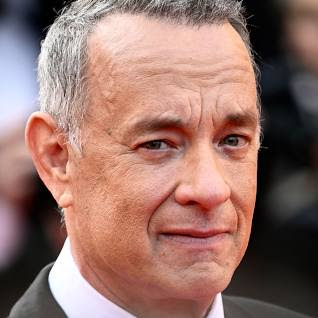
Tom Hanks - He is an American actor and filmmaker. He is known for his roles in movies like "Forrest Gump", "Saving Private Ryan", and "Cast Away". He has won several awards, including two Academy Awards.


Robert Downey Jr. - He is an American actor and producer. He is known for his role as Iron Man in the Marvel Cinematic Universe. He has also starred in movies like "Sherlock Holmes" and "Tropic Thunder".


Dwayne Johnson - He is an American actor, producer, and retired professional wrestler. He is known for his roles in movies like "Jumanji: Welcome to the Jungle", "Fast & Furious" franchise, and "Moana".


Ryan Reynolds - He is a Canadian actor and producer. He is known for his roles in movies like "Deadpool", "The Proposal", and "Green Lantern". He is also the owner of a production company called Maximum Effort.


Chris Hemsworth - He is an Australian actor. He is known for his role as Thor in the Marvel Cinematic Universe. He has also starred in movies like "Snow White and the Huntsman" and "Rus


In conclusion, I would like to offer a friendly piece of advice to consider taking up acting as a hobby and pursuit. Acting can be a fulfilling and enjoyable experience that allows you to explore your creativity, enhance your communication skills, and step outside of your comfort zone. It can also provide opportunities for personal growth, self-expression, and building confidence.

If you have a passion for storytelling, enjoy immersing yourself in different characters, or have always been intrigued by the world of theater and film, acting can be a wonderful hobby to pursue. It offers a unique outlet for self-expression and allows you to connect with others who share the same passion.

While acting may initially seem intimidating, remember that it is a skill that can be learned and developed over time. There are numerous acting classes, workshops, and community theater groups available that can help you build your skills and gain experience. Additionally, exploring different acting techniques and studying the work of accomplished actors can provide valuable insights and inspiration.

Acting can also be a great way to break out of your routine and challenge yourself in new and exciting ways. It encourages you to step into someone else's shoes, explore different perspectives, and develop a deeper understanding of human emotions and experiences. This can not only enhance your acting abilities but also contribute to personal growth and empathy.

Furthermore, pursuing acting as a hobby can open doors to various opportunities, such as participating in community theater productions, joining local acting groups, or even auditioning for small roles in films or commercials. These experiences can be incredibly rewarding and provide a sense of accomplishment and fulfillment.

Remember, acting is not just about becoming a famous actor; it is about enjoying the process, embracing your creativity, and immersing yourself in the joy of storytelling. So, if you have a genuine interest in acting, I encourage you to give it a try. Take that first step, explore local resources, and embrace the journey of self-discovery and artistic expression that acting can offer.

Ciao  from your

Blogbuddy @https://yourpaperbackwriter.blogspot.com/   aka

Blogbuddy @https://blogspills.wpcomstaging.com/ 


Thursday, August 31, 2023

“Defy gravity Be robust Make AcroYoga a hobby !”

 “Defy gravity Be robust Make AcroYoga a hobby !”

Hobbies & Pursuits Part-XXII,Acroyoga


AMONGST HOBBIES AND PURSUITS HOW ACROYOGA CAME TO BE ONE ?

Acroyoga is a unique combination of acrobatics, yoga, and Thai massage. It originated in the late 1990s in California when two yoga practitioners, Jenny Sauer-Klein and Jason Nemer, decided to merge their interests and create a new form of movement and connection.

Jenny and Jason were inspired by their individual practices and wanted to explore the possibilities of partner yoga and acrobatics. They started experimenting with different poses and movements, incorporating elements of trust, balance, and strength.

As they continued to refine their practice, Jenny and Jason realized that acroyoga had the potential to create a deep sense of connection and community. They began teaching workshops and sharing their knowledge with others, which led to the growth and spread of acroyoga around the world.

Acroyoga has since evolved and branched out into different styles and variations, but the core principles of trust, communication, and playfulness remain at its heart. It has become a popular hobby and pursuit for many individuals and communities who are drawn to its physical, mental, and social benefits.

Today, acroyoga is practiced in various settings, including yoga studios, parks, festivals, and even online platforms. It continues to attract people who are looking for a unique way to build strength, flexibility, and connection with others.

What are the main advantages of acroyoga and whether this hobby is gaining any popularity

The main advantages of practicing acroyoga :

In today’s fast-paced world, finding a hobby that not only promotes physical fitness but also fosters deep connections with others can be a challenge. However, AcroYoga, a unique blend of acrobatics, yoga, and Thai massage, offers an incredible opportunity to tap into your inner strength while building trust and community. As a blogger and passionate AcroYoga practitioner, I aim to advise and persuade individuals to explore this transformative practice.Physical and Mental Well-being: AcroYoga is a holistic practice that engages both the mind and body. By combining acrobatic elements with yoga, it provides a full-body workout that enhances strength, flexibility, and balance. The physical challenges of AcroYoga not only improve muscle tone but also increase cardiovascular endurance. Regular practice can lead to improved body awareness and posture, reducing the risk of injuries and chronic pain.

Physical Fitness: Acroyoga combines elements of acrobatics and yoga, providing a full-body workout that improves strength, flexibility, and balance. It challenges the muscles and helps build core stability.

Trust and Communication: Acroyoga is a partner-based practice that requires trust, communication, and cooperation between the base (person on the ground) and the flyer (person in the air). This fosters a sense of connection, builds relationships, and enhances communication skills.

Overcoming Fear and Building Confidence: AcroYoga challenges individuals to step out of their comfort zones and face their fears. Whether it’s being lifted off the ground or trusting someone to support you, the practice encourages personal growth and self-confidence. The joy and sense of accomplishment that come with conquering challenges in AcroYoga can positively impact all areas of life, empowering individuals to take risks and embrace new experiences.

Creating a Supportive Community: AcroYoga is not just a hobby; it is a vibrant and inclusive community. Practitioners come together to support and encourage each other, fostering a sense of belonging and camaraderie. Whether attending workshops, festivals, or joining online communities, AcroYoga enthusiasts find a welcoming space where they can connect with like-minded individuals. The community aspect of AcroYoga provides a support system that extends beyond the practice itself, creating lasting friendships and a sense of belonging.

Mindfulness and Focus: Acroyoga requires participants to be fully present in the moment, focusing on their breath, body alignment, and the movements of their partner. This cultivates mindfulness and helps relieve stress and anxiety.

Playfulness and Fun: Acroyoga encourages playfulness, creativity, and a sense of adventure. It allows individuals to explore new possibilities, challenge their limits, and experience joy and laughter.


As for its popularity, acroyoga has been gaining traction over the years. It has attracted a diverse community of practitioners who enjoy its unique blend of physical activity, connection, and creativity. Acroyoga workshops, classes, and festivals are held in various countries, and there are online resources available for those interested in learning and practicing at home. The growing popularity of acroyoga showcases its appeal and the positive impact it has on individuals and communities.

what are the names of typical exercises in acroyoga

There are several typical exercises or poses in acroyoga, which can be categorized into three main roles: base, flyer, and spotter. Here are some commonly practiced acroyoga poses:

Base Poses:

Throne: The base sits on the ground with legs bent, creating a “throne” for the flyer to sit on.

Unleash Your Inner Strength and Connection through AcroYoga

Bird: The base extends their legs and holds the flyer’s feet, creating a balance where the flyer is lifted off the ground.

Front Plank: The base lies on their back with legs extended, and the flyer balances on top of their feet in a plank position.

Flyer Poses:

Straddle Throne: The flyer sits on the base’s feet with legs extended out to the sides, creating a straddle position.

Star: The flyer extends their arms and legs out to the sides, creating a star-like shape while being supported by the base.

Shoulder Stand: The flyer balances on the base’s feet while their shoulders rest on the base’s hands.

Spotter Role: The spotter’s role is to ensure the safety of the base and flyer by providing support and assistance during acroyoga poses. They are responsible for spotting and guiding the movement, especially during more advanced or dynamic poses.

These are just a few examples of acroyoga poses, and there are many more variations and sequences that can be explored. It’s important to note that acroyoga should be practiced with proper guidance and supervision, especially for beginners, to ensure safety and prevent injuries.

Are there people already with this acroyoga hobby and whether the same rewards any fianacial benefits?

Yes, there are many people who have acroyoga as a hobby and actively participate in the acroyoga community. Acroyoga enthusiasts often join classes, workshops, and meetups to learn and practice together. They may also attend acroyoga festivals and events to connect with other practitioners and explore new poses and sequences.

While acroyoga can be a fulfilling and rewarding hobby in terms of physical, mental, and social benefits, it is not typically associated with direct financial benefits. Most acroyoga practitioners engage in the activity for personal enjoyment, fitness, and community building rather than for financial gain.


However, some experienced acroyoga practitioners may choose to become certified instructors and teach classes or workshops. In such cases, they may generate income from teaching acroyoga to others. Additionally, some practitioners with a strong social media presence or expertise in acroyoga may collaborate with brands or companies as influencers or ambassadors, which could potentially provide financial opportunities.

In conclusion, AcroYoga is not just a hobby but a transformative practice that offers numerous physical, mental, and emotional benefits. Through building strength, trust, and community, AcroYoga empowers individuals to embrace challenges, overcome fears, and connect deeply with themselves and others. So, I invite you to take a leap of faith, step onto the mat, and experience the incredible journey that AcroYoga has to offer. Join this thriving community, and unlock your potential while finding joy, balance, and connection in the beautiful art of AcroYoga.

Ciao  from your

Blogbuddy @https://yourpaperbackwriter.blogspot.com/   aka

Blogbuddy @https://blogspills.wpcomstaging.com/ 


  The Crimson Ghost: A Tactical Guide to the Satyr Tragopan By [Yourpaperbackwriter]         The Himalayas hold secrets that only the patien...